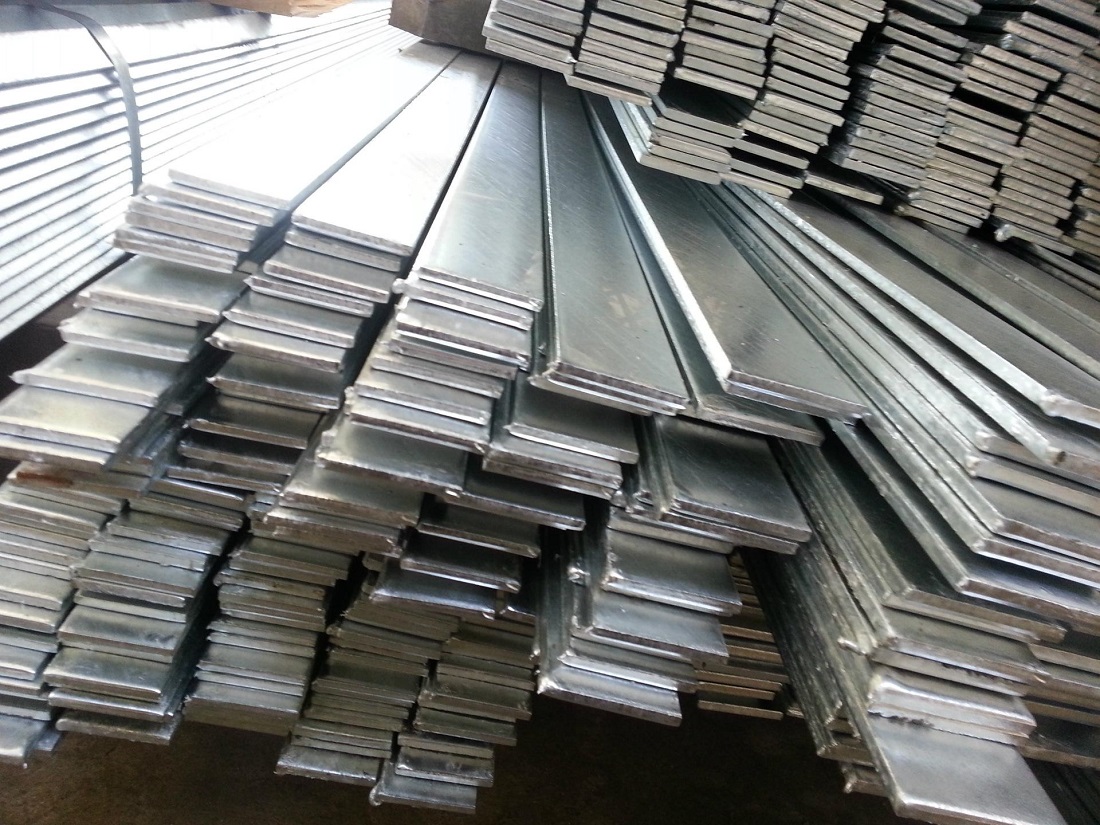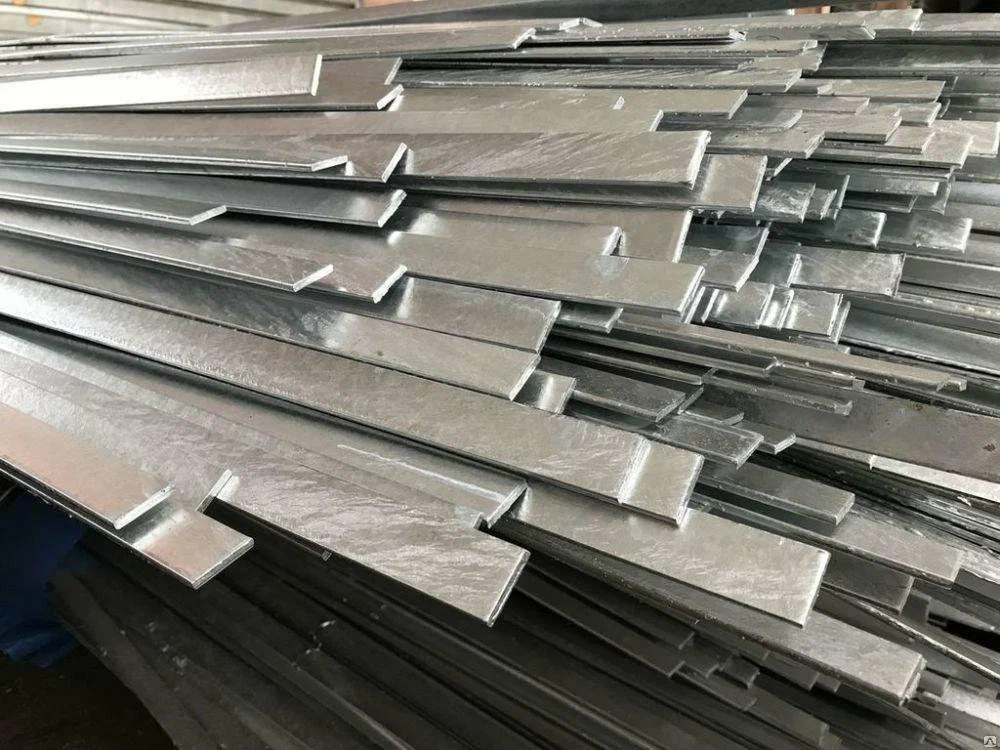

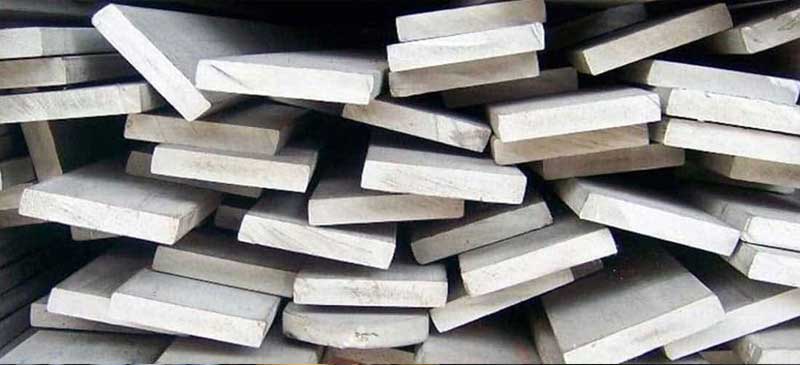
In the steel industry, Patta and Patti are commonly used terms to describe flat steel bars or strips that have a rectangular shape and are used in a wide range of industrial and structural applications. These steel products are manufactured in various grades, including mild steel, stainless steel (such as SS 202, 304, 316, and 310), and other alloy steels, depending on the specific requirements of strength, corrosion resistance, or temperature tolerance. Typically, Pattas and Pattis come in thicknesses ranging from 0.3 mm to 100 mm, with varying widths and lengths up to 6 meters or more. They are produced with different surface finishes such as hot-rolled, cold-rolled, 2B, mirror finish, or satin, and can have mill edges or slit edges. These flat bars are essential components in industries like construction, automobile manufacturing, machinery fabrication, oil and gas, chemical processing, and pharmaceuticals. Known for their strength, durability, and precision, Patta and Patti are used in making frames, brackets, panels, support structures, and other fabricated parts where both mechanical strength and clean finishes are required.

Specifictaion

Parameter Details
Product Name Steel Patta / Patti (Flat Bars / Strips)
Material Grades SS 202, SS 304, SS 316, SS 310, SS 410, SS 420, SS 904L, Mild Steel (MS)
Standards ASTM A240, ASME SA240, IS 2062 (for MS), DIN, JIS
Thickness Range 0.3 mm to 100 mm
Width Range 10 mm to 600 mm (can vary by manufacturer)
Length Up to 6 meters standard (custom lengths available)
Finish Types Hot Rolled (HR), Cold Rolled (CR), 2B, 2D, BA (Bright Annealed), Mirror, Satin
Edge Type Mill Edge, Slit Edge
Cutting Options Plasma Cut, Laser Cut, Sheared
Tensile Strength Varies by grade (e.g., SS 304: ~515 MPa, SS 316: ~485 MPa)
Applications Construction, Automotive, Chemical, Petrochemical, Machinery, Fabrication
Corrosion Resistance High (especially for stainless steel grades like 304, 316, 904L)
Temperature Resistance Up to 1100°C (for high-grade stainless steels like 310)


Chemical Composition and Physical Properties

Category Property / Element Value / Range Unit / Remarks
Chemical Composition Carbon (C) Max 0.23 %
Manganese (Mn) Max 1.50 %
Sulphur (S) Max 0.050 %
Phosphorus (P) Max 0.050 %
Carbon Equivalent (CE) Max 0.42 %
Physical Properties Density 7.85 g/cm³
Melting Point 1425 – 1540 °C
Modulus of Elasticity 200 – 210 GPa (Gigapascals)
Thermal Conductivity 45 – 60 W/m·K
Electrical Resistivity ~0.15 µΩ·m
Specific Heat Capacity ~486 J/kg·K
Coefficient of Expansion 11 – 13 × 10⁻⁶ /°C
Magnetic Property Ferromagnetic
Go Back Top